

Global Leading EPC Lithium Extraction Solution Exporter: From Brine Intake to Finished Product
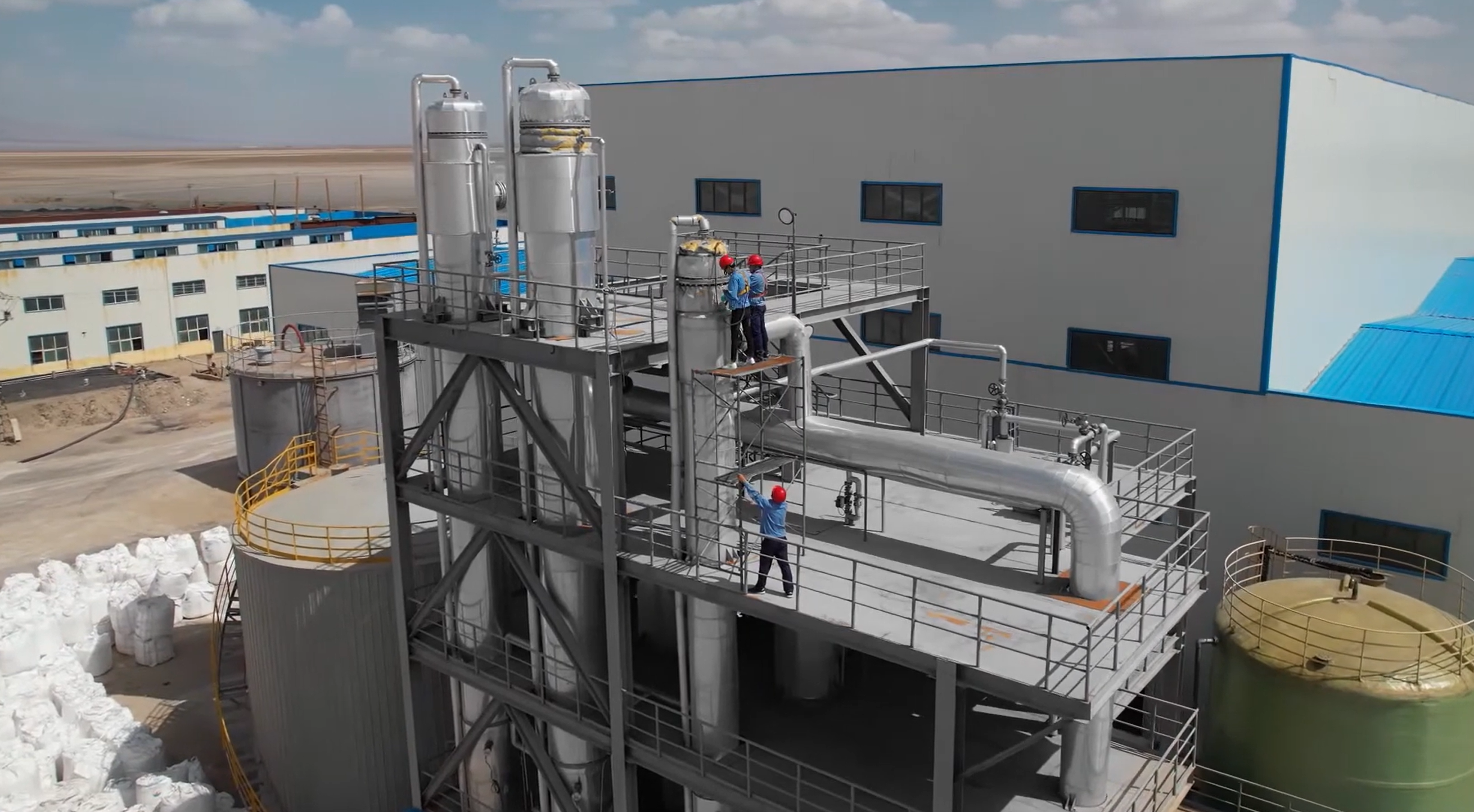
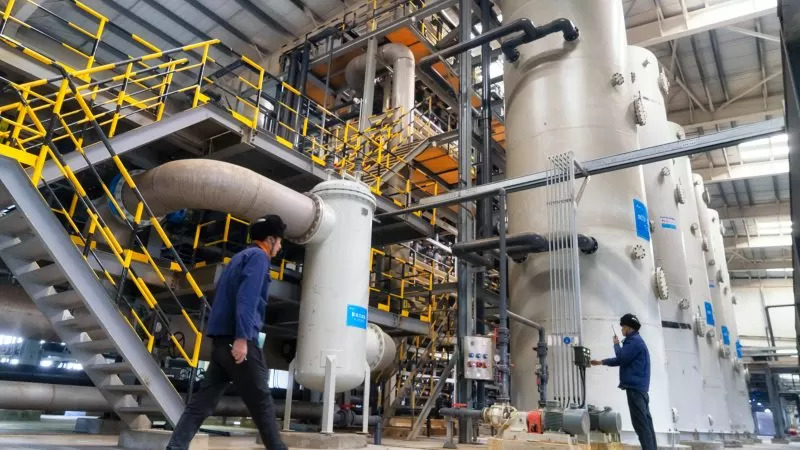
Stage 1: Front-End Brine Assessment, Intake, and Precision Pretreatment
Successful lithium extraction begins with a thorough geochemical analysis of the target brine resource. Brine deposits vary dramatically across continental salt lakes, geothermal aquifers, and oilfield produced waters. Engineers must evaluate parameters such as initial lithium concentration, Total Dissolved Solids (TDS), temperature, and interfering ion ratios. Geothermal resources present unique operational challenges because raw brine temperatures often exceed 60 to 80 degrees Celsius. In these demanding environments, utilizing <a href="https://www.seplite.com/high-temperature-lithium-adsorbent-technology-for-geothermal-brine-direct-lithium-extraction/">high-temperature lithium adsorbent technology for geothermal brine direct lithium extraction</a> protects structural integrity and prevents media degradation under thermal pressure.
Raw brine intake systems require robust pretreatment engineering to protect downstream separation media. Unprocessed brine contains suspended solids, hydrocarbons, and multivalent scaling cations such as calcium and magnesium. Left untreated, these constituents foul active adsorbent sites and cause severe pressure drops across media beds. Pretreatment units incorporate high-efficiency clarification, multi-media filtration, and chemical softening steps to condition raw feed streams. Furthermore, automated pH control systems optimize fluid chemistry before the brine enters the primary adsorption columns. By stabilizing fluid hydraulics and removing physical foulants early, engineers safeguard continuous separation assets and extend media replacement intervals substantially.
Stage 2: Adsorption-Desorption Core: High-Selectivity Media and Continuous Separation Hydraulics
At the core of modern DLE plants lies high-selectivity resin and adsorbent chemistry engineered for target ion capture. SEPLITE® lithium adsorbents feature customized crystal structures that recognize lithium ions while excluding competing sodium, potassium, calcium, and magnesium ions. The media exhibits rapid mass transfer kinetics and high dynamic working capacity, enabling efficient target binding even from low-concentration brine deposits. Furthermore, the material demonstrates exceptional mechanical durability, withstanding millions of continuous hydraulic loading cycles without bead fracture or fine generation. Desorption requires only warm water, eliminating the need for aggressive chemical reagents during the initial eluate extraction stage.
Translating advanced adsorbent media into continuous industrial processing requires specialized fluid handling technology. Continuous Simulated Moving Bed (SMB) systems arrange multiple adsorption columns into synchronized, automated loops. By continuously switching valve positions, the system simulates counter-current fluid movement, maximizing mass transfer driving forces. This continuous operational mode yields a concentrated lithium eluate while operating at low fresh water consumption ratios per ton of extracted product. Consequently, continuous SMB column design minimizes overall footprint requirements and lowers energy consumption compared to traditional fixed-bed batch systems.
Stage 3: Downstream Eluate Concentration, Refining, and Battery-Grade Conversion
The eluate emerging from the primary adsorption stage contains concentrated lithium chloride, but it requires further purification and volume reduction. Downstream process suites employ multi-stage reverse osmosis and nanofiltration membrane arrays to remove bulk water and elevate lithium concentrations efficiently. Following initial membrane dewatering, specialized chelating resins execute targeted polishing to eliminate trace residual divalent cations, such as calcium, magnesium, and boron. This continuous liquid-liquid refinement step ensures that fluid composition satisfies stringent chemical precursor standards before entering final thermal crystallization.
The final processing stage converts purified lithium eluate into market-ready battery-grade chemicals. Mechanical Vapor Recompression (MVR) evaporative crystallizers heat concentrated lithium chloride solutions, driving off remaining moisture with minimal thermal energy consumption. Reacting the purified concentrate with sodium carbonate precipitates high-purity lithium carbonate. Alternatively, treating the stream with calcium hydroxide yields battery-grade lithium hydroxide monohydrate. Industrial precipitation systems control temperature and agitation precisely, ensuring uniform particle size distribution and product purity exceeding 99.5 percent.
The Turnkey Advantage: Mitigating Risk Through Integrated EPC Delivery
Executing a commercial DLE project demands close alignment between material synthesis and system engineering. Subdividing project responsibilities among separate chemical suppliers and equipment vendors often creates integration friction, leading to operational bottlenecks. Global separation pioneer <a href="https://www.seplite.com/sunresin-profile/">Sunresin(Sunresin New Materials Co. Ltd.)</a> addresses this challenge by delivering fully integrated, turnkey EPC solutions. By housing media production and process engineering under one umbrella, Sunresin ensures that column hydraulics, valve timing, and skid design match the precise kinetic properties of the underlying adsorbent media.
Proven commercial performance offers the ultimate validation of any industrial extraction model. Sunresin New Materials Co. Ltd. has secured 9 commercial DLE contracts representing an aggregate production capacity of 73,000 metric tons per annum (tpa). These commercial installations operate across diverse geographic regions, validating system reliability under real-world salt lake and geothermal operating conditions. This extensive operational track record demonstrates how turnkey EPC delivery reduces execution risk, shortens project commissioning schedules, and guarantees target production yields for global mining developers.
Commercial Execution Blueprint: From Bench-Scale Pilots to On-Site Commissioning
Transitioning from initial feasibility studies to full commercial deployment requires a structured, step-by-step engineering roadmap. The project lifecycle begins with bench-scale feasibility testing, where engineers analyze representative raw brine samples to establish baseline adsorption capacity and kinetic profiles. Following initial validation, developers deploy containerized mobile pilot skids directly to the project site. On-site pilot testing exposes the separation system to real-world seasonal brine variations, enabling precise refinement of mass balance models and operational utility requirements.
Once pilot validation concludes, modular skid manufacturing begins within specialized production facilities. Off-site modular assembly accelerates project schedules by allowing skid fabrication to proceed concurrently with site civil engineering work. Every skid undergoes factory acceptance testing prior to global shipment, minimizing on-site installation friction. Supported by a dedicated research infrastructure of over 300 technical experts, Sunresin provides comprehensive life-cycle technical support, operator training, and continuous system monitoring. Utility directors and mining executives can explore comprehensive DLE technical capabilities by visiting <a href="https://www.seplite.com/">https://www.seplite.com/</a>.
Sunresin
Sunresin
email us here
Legal Disclaimer:
EIN Presswire provides this news content "as is" without warranty of any kind. We do not accept any responsibility or liability for the accuracy, content, images, videos, licenses, completeness, legality, or reliability of the information contained in this article. If you have any complaints or copyright issues related to this article, kindly contact the author above.
