

A Comprehensive Guide to Selecting High-Quality PDT LED Light Therapy Devices
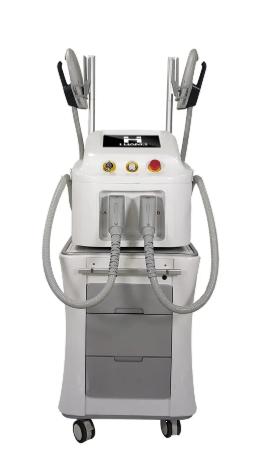
With over two decades of experience in the industry, Huamei is a trusted manufacturer of PDT LED Light Therapy Devices, among other advanced medical technologies. Their commitment to innovation, quality, and customer service has allowed them to become a preferred choice for aesthetic professionals worldwide. Whether you are a clinic looking to upgrade your existing equipment or a new practitioner aiming to introduce the latest in skincare treatments, Huamei offers solutions tailored to your needs.
2. Global Demand and Market Trends in PDT LED Light Therapy
The global medical aesthetic device market has seen steady growth in recent years, driven by increasing demand for non-invasive and low-downtime treatments. According to market forecasts, the global medical aesthetic devices market is expected to reach approximately USD 12.5 billion by 2027, with a compound annual growth rate (CAGR) of 10.9%. This growth is partly attributed to the expanding adoption of procedures such as PDT LED light therapy, which combines light energy with photosensitizing agents to stimulate skin repair and renewal.
PDT LED light therapy is used for a variety of conditions, including acne, pigmentation, fine lines, and skin texture issues. Compared with traditional invasive procedures, PDT treatment is perceived as less disruptive to daily life, which increases its appeal among patients. At the same time, clinics and medical institutions are seeking devices that can deliver consistent outcomes while meeting regulatory requirements and operational needs. This has made the selection of manufacturers an increasingly important factor for long-term clinical practice.
3. What Differentiates a Professional PDT LED Light Therapy Manufacturer?
In the context of growing demand and tightening regulations, manufacturers are evaluated not only on product specifications but also on quality systems, compliance, and support capabilities. A professional manufacturer is typically distinguished by four major aspects: regulatory compliance, production capacity, technical design, and after-sales support.
3.1 Regulatory Compliance and Certification
Medical aesthetic devices require compliance with international standards, and certification processes are a major part of product development. Certifications provide a framework for safety, quality, and performance, and are often prerequisites for entering certain markets.
Shandong Huamei Technology Co., Ltd. has obtained multiple certifications relevant to medical devices and aesthetic equipment. These include MHRA (UK), MDSAP (global regulatory program), TÜV CE (EU), FDA (US), ROHS (environmental safety), and ISO 13485 (quality management for medical devices). These certifications indicate that the company’s products undergo systematic quality control and are designed to meet the requirements of different regulatory jurisdictions.
3.2 Manufacturing and Quality Control Systems
A professional manufacturer typically has structured production and testing processes. These include material procurement standards, assembly line controls, and final product testing. For PDT LED devices, key testing areas include:
LED output stability
Wavelength accuracy and consistency
Irradiance measurement and uniformity
Heat dissipation performance
Electrical safety and EMC (electromagnetic compatibility)
Devices that pass comprehensive testing can maintain stable clinical performance over long-term use, which is critical for medical and aesthetic applications.
3.3 Technical Design and Clinical Usability
Professional manufacturers also differentiate through technical design, especially in terms of treatment efficiency and user experience. Core aspects include:
Light source quality and wavelength selection: Different wavelengths target different skin concerns, and the ability to support multiple wavelengths improves treatment versatility.
Irradiance and coverage area: Higher irradiance can shorten treatment time but requires better heat management.
Device ergonomics and operational workflow: Adjustable panels, user-friendly interfaces, and stable mechanical design affect clinical efficiency.
Safety features: Including temperature monitoring, emergency stop functions, and error diagnostics.
These technical factors determine whether a device is suitable for high-frequency clinical use and whether it can support multiple treatment indications.
3.4 After-Sales Support and Service System
A key difference between manufacturers lies in their support system. Professional device suppliers typically provide:
Installation guidance and training
Technical troubleshooting and maintenance
Spare parts supply and warranty policies
Remote assistance and software updates
For clinics, these services are directly related to device uptime and operational stability, making support capability an important evaluation criterion.
4. Selecting the Right PDT Device: What Clinics Should Consider
When comparing PDT LED devices, clinics should consider both technical specifications and operational factors. Common considerations include:
Treatment indications and wavelength configuration
Irradiance level and treatment time
Treatment area size and device form factor
Device stability and durability
Regulatory compliance and documentation
After-sales support and spare parts availability
Total cost of ownership, including maintenance
The choice should balance treatment goals, clinic scale, and long-term clinical use.
5. Conclusion
PDT LED light therapy has become a widely adopted treatment modality in aesthetic and medical dermatology due to its non-invasive nature and broad applicability. As demand increases, the role of manufacturers becomes more critical. A professional manufacturer is typically characterized by regulatory compliance, production and testing systems, technical design capability, and after-sales support.
Shandong Huamei Technology Co., Ltd. represents one of the manufacturers that meet these criteria, with multiple certifications and a structured quality system. For clinics and practitioners, understanding these differences can help make informed purchasing decisions and ensure stable clinical outcomes.
Shandong Huamei Technology Co., Ltd. (Huamei)
Shandong Huamei Technology Co., Ltd. (Huamei)
0086-536-2110008
info@huameilaser.com
Legal Disclaimer:
EIN Presswire provides this news content "as is" without warranty of any kind. We do not accept any responsibility or liability for the accuracy, content, images, videos, licenses, completeness, legality, or reliability of the information contained in this article. If you have any complaints or copyright issues related to this article, kindly contact the author above.
